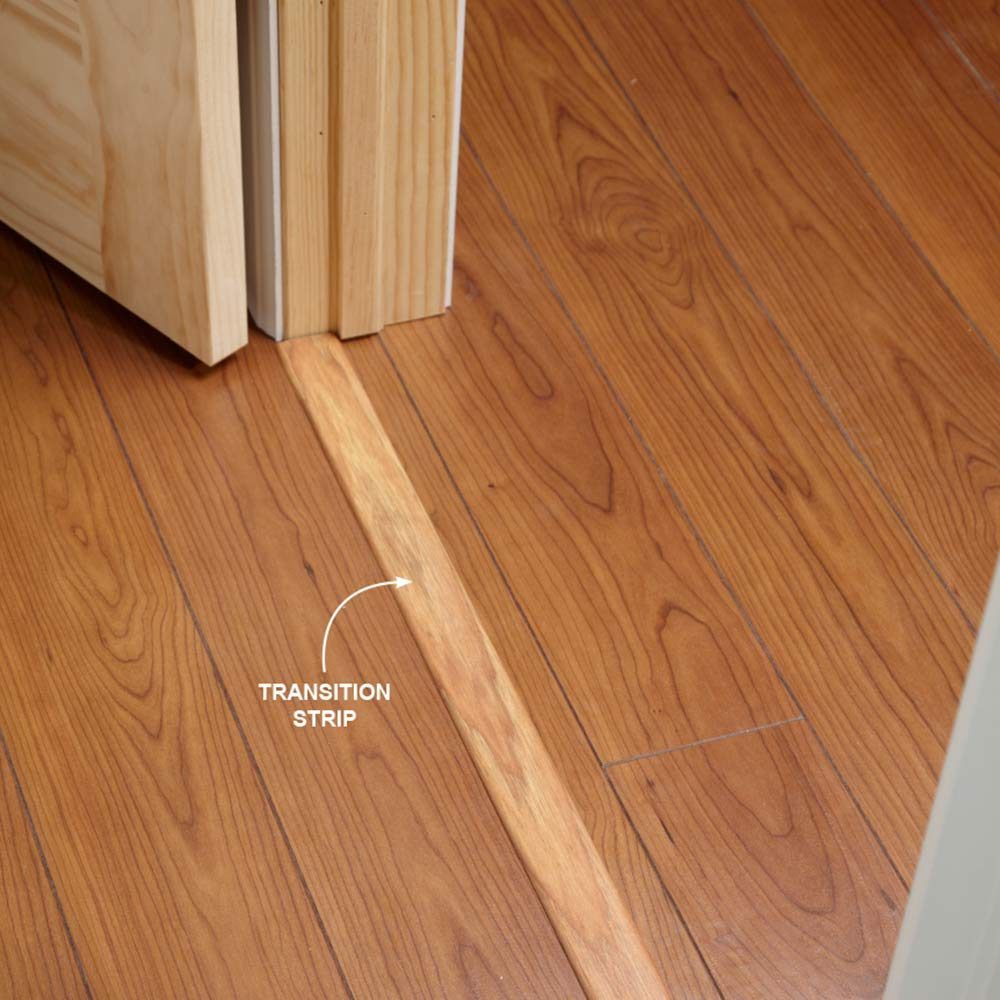
Seamless floor transitions are the unsung heroes of interior design, quietly bridging the gap between rooms while maintaining the flow and integrity of a space. A make transition strip serves as the definitive solution for creating these smooth junctions, eliminating unsightly gaps and potential tripping hazards. Whether in a commercial building or a high-end residential project, selecting the right transition method is critical for both aesthetics and safety.
Read also: Make Transition Strip
The Purpose of Transition Strips
At its core, a make transition strip exists to solve a fundamental problem: different floor materials rarely meet at a perfect angle. Tile, hardwood, carpet, and stone all have unique thicknesses and expansion properties. Without a proper connector, these differences result in uneven surfaces, cracked flooring, and an unprofessional finish. The strip acts as a resilient bridge, accommodating movement and ensuring a level surface that endures daily traffic.
Material Compatibility
One of the primary reasons professionals rely on a make transition strip is to handle material mismatch. You cannot simply install hardwood directly over a concrete slab, nor can tile butt right up to a carpet seam. The strip provides the necessary substrate to join these disparate elements. It prevents the harder material from crushing the softer one and allows for the necessary thermal expansion without buckling or separation.

Read also: Man Cave Cost
Types and Finishes
The market offers a diverse array of transition profiles, each designed for a specific application. The chosen style dictates the final look and function of the junction. From low-profile strips that are nearly invisible to taller, more robust ramps, the variety ensures there is a suitable option for every scenario.
- Reducer Strips: These are angled transitions that gradually decrease in height, perfect for moving from a thicker tile floor to a thinner wood surface.
- End Cap Strips: Used at the exposed edge of a floor, such as where hardwood meets ceramic tile in a hallway, these provide a finished look and protect the edge.
- Threshold Strips: Often found at doorways or where two large areas meet, these are typically more substantial and handle significant traffic loads.
Finish and Aesthetics
A make transition strip is available in a multitude of materials to match or complement the surrounding environment. Stainless steel offers a modern, industrial chic, while anodized aluminum provides durability with a sleek finish. For a warmer aesthetic, brass or painted steel can be selected to blend seamlessly with the room’s decor. The finish is just as important as the function, as it contributes directly to the overall design language.
Read also: Margo Restaurant Kitchen Counter
Installation Best Practices
Proper installation is the key to ensuring the transition strip performs as intended. Simply nailing or gluing the strip in place is often insufficient. Professionals must account for the expansion of the flooring materials, particularly with wood. The strip must be installed with the appropriate fasteners and adhesive, allowing for slight movement without compromising the integrity of the joint.

Measuring and Cutting
Accuracy is vital when working with a make transition strip. Measure the exact dimensions of the gap, including height differentials and width. If cutting is required, use the proper tools—such as a miter saw for metal or a specialized cutter for vinyl—to ensure clean, precise edges. A poorly cut strip will create a bump or gap, negating the benefits of the transition.
Safety and Compliance
Beyond aesthetics, the primary reason to install a make transition strip is safety. The Americans with Disabilities Act (ADA) and other building codes often specify maximum height differentials for floor surfaces. A compliant transition ensures that wheelchair users and pedestrians can navigate the space without risk of tripping. Ignoring these standards can lead to liability issues and failed inspections.
In the world of construction and renovation, attention to detail defines quality. A make transition strip is more than a mere accessory; it is a vital component that ensures longevity, safety, and a polished finish. By understanding the types and functions of these strips, professionals can execute projects that stand the test of time.