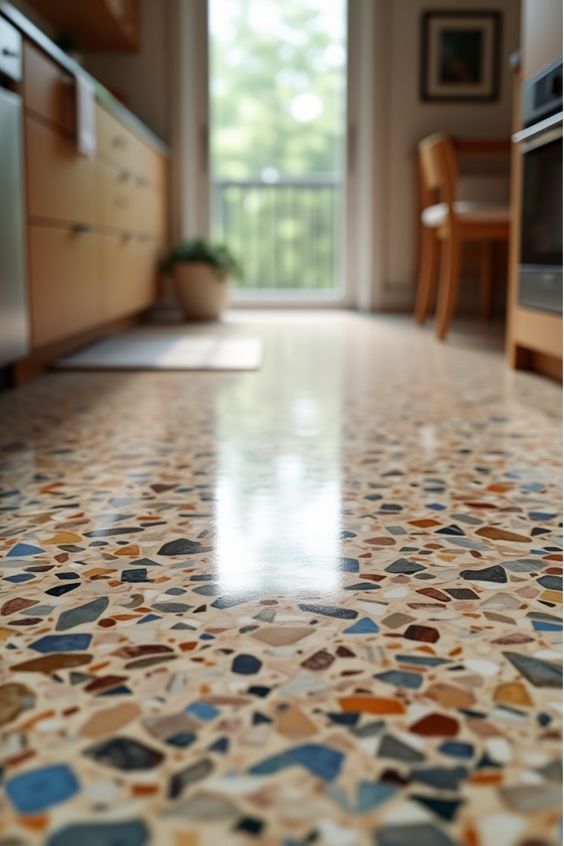
The state of your kitchen floor tiles is a powerful indicator of overall home cleanliness. While countertops often receive the spotlight during cleaning routines, the floors bear the brunt of daily traffic, spills, and tracked-in debris. Achieving a truly clean kitchen floor tiles surface requires more than a quick sweep; it demands a strategic approach to removal, restoration, and long-term maintenance.
Read also: Clean Kitchen Floor Tiles
Why Tile Grout is the Primary Challenge
When assessing kitchen tile cleanliness, the grout lines are usually the primary culprit. These porous grooves act like a sponge, absorbing oils, food particles, and discoloration over time. Even with meticulous sweeping, the textured surface of grout traps microscopic particles that vacuuming cannot reach. This absorption creates a grimy film that dulls the appearance of the entire floor and harbors bacteria, making deep cleaning an essential, non-negotiable task.
The Science Behind Soap Scum and Stubborn Marks
Hard water minerals and residual soap often combine to create a sticky barrier known as soap scum. This film clings to the tile surface, creating a cloudy, lackluster appearance that makes the floor feel sticky to the touch. Additionally, greasy splatters from stovetops and tracked-in dirt chemically bond with the tile surface. Standard detergents are often ineffective against these bonded substances, requiring specific acidic or alkaline solutions to break down the molecular structure of the grime for a truly clean kitchen floor tiles finish.

Read also: Cleaning Wood Mode Kitchen Cabinets
Effective Deep Cleaning Strategies
For a deep clean, moving beyond surface-level maintenance is necessary. The most effective strategy involves a two-step process: manual agitation followed by chemical dissolution. You should begin by physically agitating the grout lines with a stiff-bristled brush to dislodge embedded particles. Following this, apply a targeted cleaning solution specifically designed for tile and grout. Allowing the solution to dwell on the surface for 10 to 15 minutes breaks down the grime before you rinse, ensuring a clean kitchen floor tiles that looks and feels hygienic.
- Start by sweeping or vacuuming to remove loose debris.
- Create or apply a heavy-duty tile cleaner to the grout lines.
- Use a brush to scrub the grout, working the solution deep into the pores.
- Rinse thoroughly with clean water to remove all chemical residue.
Read also: Closed In Outdoor Kitchen Ideas
Preventative Maintenance for Long-Term Purity
Maintaining clean kitchen floor tiles is significantly easier than restoring them after years of neglect. Implementing a few preventative strategies can drastically reduce the buildup of dirt and grime. Immediately wiping up spills, especially oils and pigments, prevents them from seeping into the porous surface. Furthermore, placing high-quality mats at entryways minimizes the amount of external debris tracked onto the tiles, preserving the results of your deep cleaning efforts.
Sealing: The Critical Protective Layer
One of the most effective methods for preserving tile cleanliness is applying a high-quality sealer. Grout is highly porous, and without protection, it absorbs stains rapidly. A penetrating sealer fills the pores of the grout, creating a barrier that repels liquids. This prevents coffee drops, cooking oils, and sauces from staining the grout permanently. By sealing your tiles annually or biannually, you ensure that cleaning remains a simple surface-level task, keeping your kitchen floor tiles looking new for years.

Restoring Worn and Dated Surfaces
In older homes, kitchen floor tiles may suffer from cracked grout or general discoloration that cleaning alone cannot fix. In these scenarios, the solution lies in restoration rather than mere cleaning. Regrouting involves removing the old, stained material and applying fresh mortar in its place. This process effectively erases years of built-up grime and damage. Alternatively, painting or overlaying the existing tiles provides a cost-effective way to achieve a like-new appearance without the disruption of a full renovation.
| Cleaning Goal | Recommended Method | Frequency |
|---|---|---|
| Surface Dirt Removal | ||
| Deep Grout Cleaning | ||
| Stain Removal | ||
| Surface Protection |
Ultimately, the pursuit of clean kitchen floor tiles is an investment in both aesthetics and hygiene. By understanding the specific challenges posed by grout and surface buildup, you can tailor your cleaning routine for maximum effectiveness. Consistent preventative care and periodic deep cleaning transform a mundane chore into an act of home preservation, ensuring your kitchen remains a welcoming and pristine environment.